
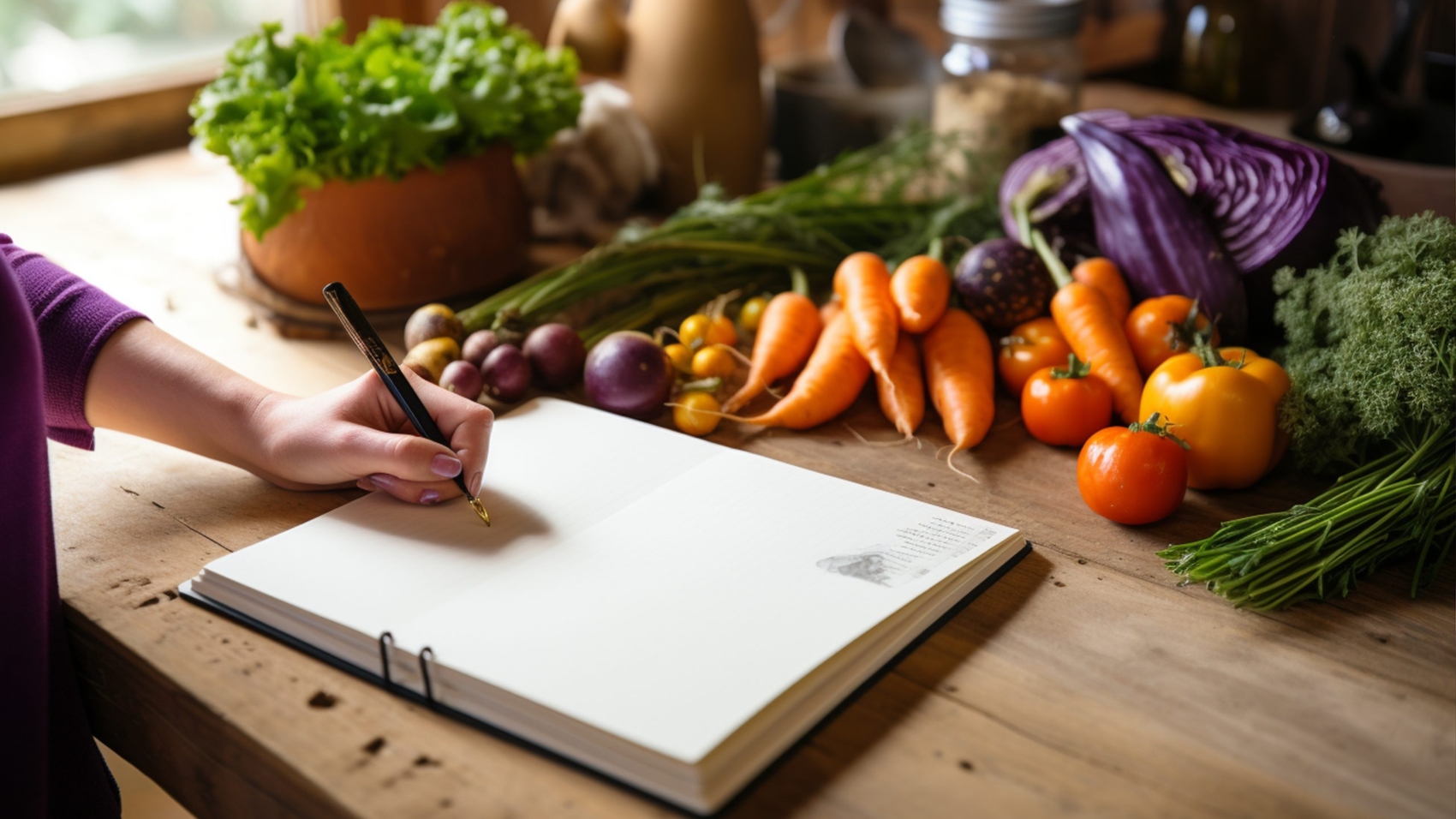
Seasonal cooking is based on a straightforward idea: ingredients are often at their most appealing when they are naturally available in abundance. Their flavor, texture, and freshness can inspire meals that feel connected to the time of year.
It is not necessary to follow strict seasonal rules. The approach simply encourages greater awareness of produce and more flexibility when planning food.
A Different Kitchen for Every Season
As the weather changes, so do the ingredients that naturally lend themselves to everyday cooking.
Spring: Tender greens, asparagus, peas, radishes, and fresh herbs work well in light salads, vegetable soups, and quick pasta dishes.
Summer: Tomatoes, cucumbers, berries, peppers, zucchini, and stone fruits are suitable for fresh salads, chilled dishes, grilled vegetables, and fruit-based desserts.
Autumn: Pumpkins, squash, apples, pears, mushrooms, and root vegetables bring deeper flavors to roasted trays, warm grain bowls, and hearty soups.
Winter: Cabbage, carrots, potatoes, onions, citrus fruits, and preserved ingredients can form the basis of warming stews, baked dishes, and simple vegetable sides.
Availability varies depending on growing conditions and storage methods, but the general idea remains useful throughout the year.
Let One Ingredient Lead
Instead of choosing a complicated recipe first, select one ingredient that deserves attention.
A basket of tomatoes might inspire a fresh salad, a simple sauce, or a savory tart. A collection of apples could become a baked breakfast dish, a fruit salad, or a warm side for roasted vegetables.
This method encourages creativity because the ingredient determines the direction of the meal.
Preserve the Character of Fresh Produce
Not every ingredient needs extensive seasoning or long cooking. Delicate vegetables often benefit from simple preparation that allows their natural qualities to remain noticeable.
Fresh peas can be briefly cooked and combined with herbs. Ripe tomatoes may need only olive oil, salt, and a little vinegar. Seasonal berries can be served with plain yogurt or used as a topping for oatmeal.
Other ingredients benefit from slower preparation. Root vegetables become sweeter when roasted, while mushrooms develop a deeper flavor when cooked until their moisture has evaporated.
Shopping with Flexibility
A seasonal shopping list should leave room for substitutions. If one vegetable is unavailable or does not look fresh, another ingredient with a similar texture or cooking time may work.
For example, spinach can sometimes replace other leafy greens, while squash can be substituted for pumpkin in many baked dishes or soups.
Buying a moderate quantity of unfamiliar produce can also be a useful way to experiment without creating unnecessary waste.
Make the Most of Abundance
When certain ingredients are available in larger quantities, preservation becomes another useful cooking skill. Freezing, drying, pickling, and preparing cooked sauces can extend the usefulness of fresh produce.
However, each method requires appropriate handling. Vegetables intended for freezing may need blanching, while pickled foods require suitable recipes and food-safe preparation procedures.
Seasonal cooking is ultimately about observation and adaptability. By paying attention to what looks fresh and choosing preparation methods that suit each ingredient, everyday meals can become more varied and interesting.